Duty & load
Is the generator intended for routine operation or backup? Include the equipment list, operating hours and any motor-starting loads.
 Get a quote
Follow the energy flow, explore the main components and prepare a more precise generator specification.
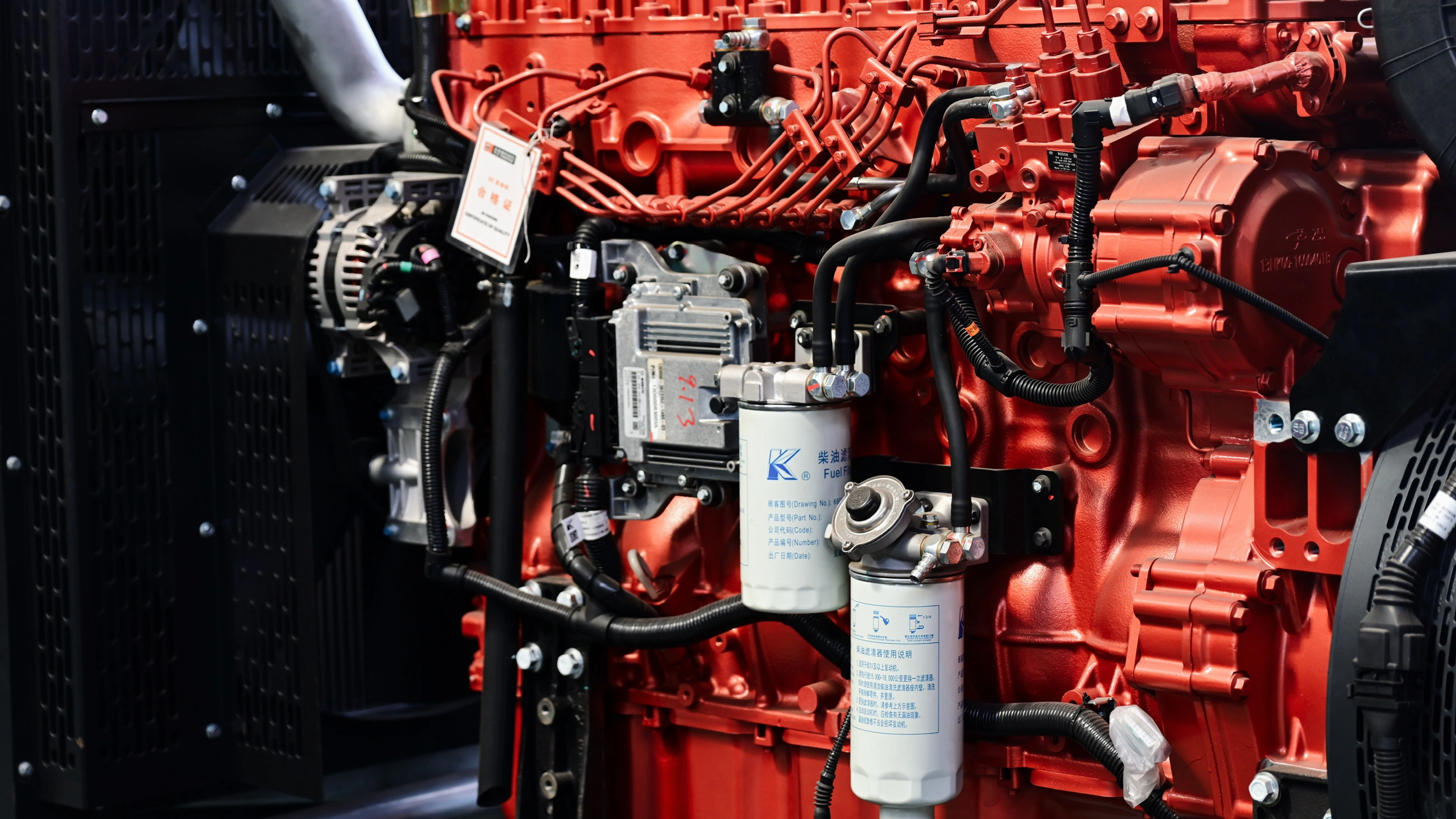
A generator is more than an engine.
Follow the connection from mechanical power to electrical output.
Engine & fuel systemThe diesel engine supplies the mechanical input. Choose the engine series and rating to suit the intended duty.
Simplified energy-flow illustration
Explore three generator principles through animated diagrams. Play the sequence or examine each step.
Simplified educational diagrams. Motion speed, voltage waveform and transfer timing are illustrative; actual equipment and controls vary. Open-transition transfer is shown with the two sources isolated.
Use these questions to prepare your project brief. Final requirements depend on the application and the selected configuration.
Is the generator intended for routine operation or backup? Include the equipment list, operating hours and any motor-starting loads.
Confirm the destination voltage, frequency and phase. Share any site-specific electrical requirements with your enquiry.
Describe the location, ambient conditions, available space and ventilation. Note any enclosure or acoustic requirements.
Tell us whether manual starting, automatic transfer, remote monitoring or parallel operation is required, so compatibility can be confirmed.
Fuel-system components, connections and control panels help make the system easier to understand.
See production photography →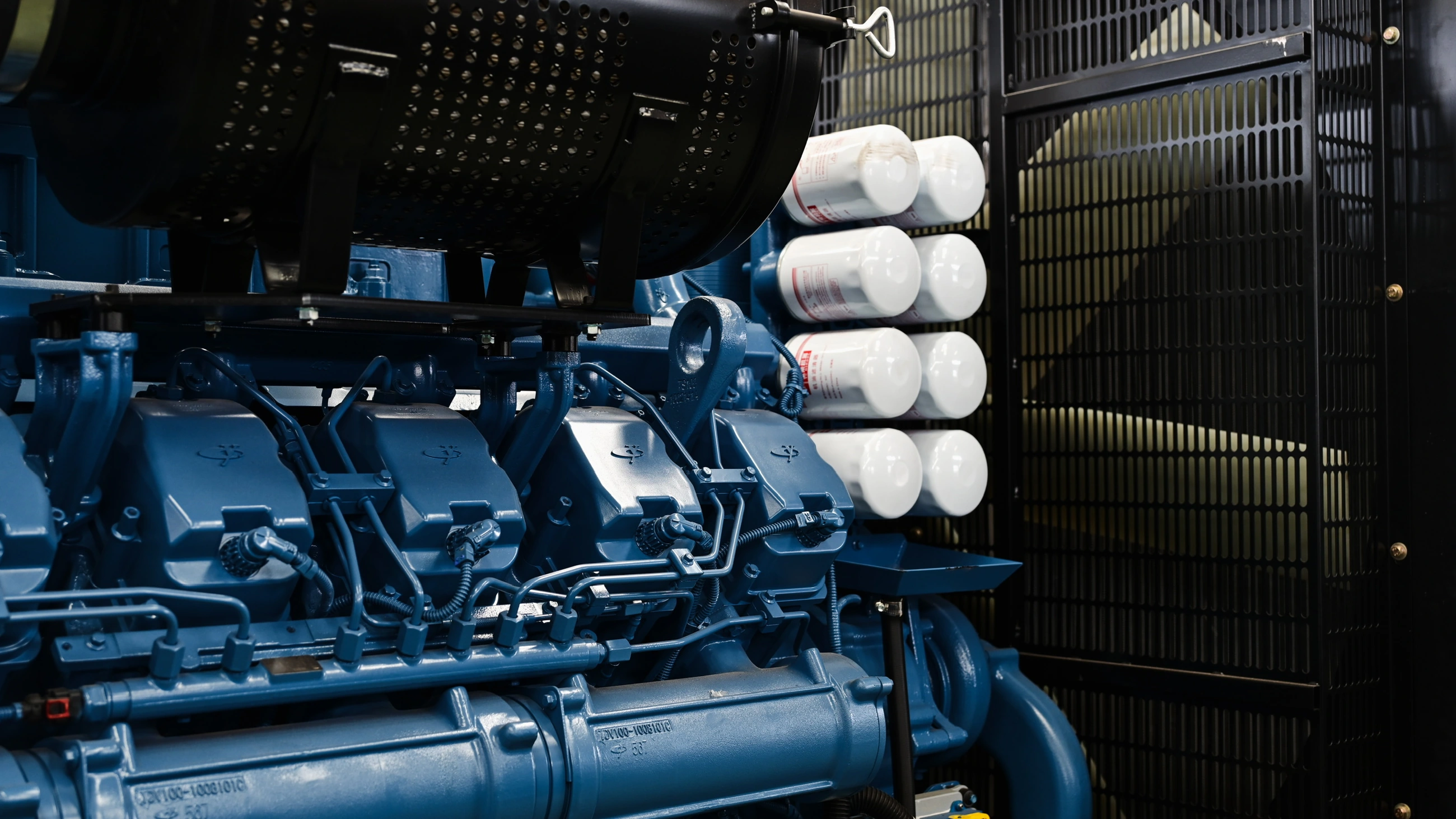
A clear brief is the start of a suitable specification. Share your application and electrical requirements.
info@cnlgtc.com